Winter arrives with its frosty mornings and freezing nights. Your heating system has to work harder than ever to keep your home warm and cozy. Without proper preparation, it’s more than just discomfort. You are looking at inefficiency, sky-high utility bills, or sudden mid-season breakdowns.
In our service calls, we often see so many breakdowns that could easily be avoided with simple preparations. I’m going to share some HVAC winter safety tips, so you can protect your equipment from the harsh weather it has to survive.
| TL;DR To maximize your home’s warmth and safety during freezing weather, proactively maintain your HVAC system by scheduling professional tune-ups, replacing filters, clearing the surrounding environment, sealing structural drafts, and optimizing your thermostat settings to prevent costly breakdowns and dangerous operational hazards. |

1. Schedule a Professional Inspection and Tune-Up
Book a tune-up service before winter. You should always schedule AC maintenance and heating tune-ups before the heavy usage seasons. Along with them, professionals will inspect your units and update you on their current condition.
A professional tune-up must include:
- Detailed cleaning of dust/debris
- Thermostat calibration check
- Electrical and safety control tests
- Ductwork and airflow assessments
With this proactive approach, you can make sure your system will run safely and operate at its peak condition. The professional helps you catch all the minor issues before they turn into expensive failures. For parents arranging an AC checkup while expecting a newborn, early verification from professionals can give you extra peace of mind.
2. Air Filter Changes
Air filters keep your air clean by filtering dust, debris, pet hair, and allergens. Over time, your air filter gets clogged with these particles. As a result, the system struggles to push more air through it.
To prepare for the heavy usage in the upcoming season, change or clean your air filter. You should replace it every 1 to 3 months either way. Maintaining clean filters will make sure your system can pass clean air without wasting fuel and energy.
3. Clear and Clean All System Components
You need a lot of clearance between components for it to function optimally. Dirt disrupts that and the functionality of components in general. That’s why maintain a clean environment around both your indoor and outdoor units to prevent malfunctions and safety hazards.
Indoor Unit’s Safety
Keep the surrounding area of your indoor unit completely clean. Your gas or oil systems need an adequate amount of fresh air to burn properly and exhaust the byproducts. If there’s a flammable material nearby, the situation can quickly turn hazardous.
Outdoor Unit and Vents
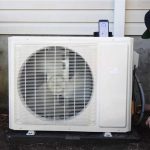
If there are any leaves, twigs, snow, ice, or yard debris around your outdoor unit, clear them. Maintain at least two feet of clearance around the unit. Inside the home, make sure no furniture, rug, or curtains block your vents and registers.
4. Optimize Thermostat Settings for Maximum Efficiency
Your thermostat is the brain of your HVAC system. When you need to “control” the settings of your furnace, you achieve that through the thermostat.
- During active hours, set the thermostat to the baseline (68°F to 70°F)
- Lower the temperature between 60°F and 62°F during rest hours
Avoid setting the thermostat temperature too high to heat faster. It will waste more energy instead. Use an extra layer of clothing or a blanket to assist you with warmth.
You can also consider smart or programmable thermostats. They can start the heating process beforehand to make sure you get faster cooling when you need it. Besides, a smart thermostat can even help you coordinate specific cooling tips during heat waves and heating strategies during blizzards, maximizing efficiency year-round.
5. Mitigate Heating System Hazards and Operational Risks
Different types of heating units have different types of challenges during the cold snap.
| Heating System Type | Specific Winter Vulnerability | Preventative Action You Need |
| Standard Heat Pump | Outdoor fan blades and motor freezing up during ice storms. | Temporarily switch to “Emergency Heat” to run backup heating until the ice melts. |
| High-Efficiency Furnace | The condensation drain line freezes up outside, causing a system shutdown. | Locate the drain line, safely thaw it out if frozen, and reset the furnace breaker. |
| Gas Furnace | Faulty ignition or a clogged, dangerous burner assembly. | Verify that the pilot light burns a steady blue color (never yellow or orange). |
If any of these systems are old in your case, consider upgrading to a durable central HVAC system instead. Manufacturers like Trane focus on making the system sturdy in the first place to avoid all of these issues.
6. Weatherproofing, Draft Prevention, and Insulation
Heat naturally travels from hot to cold places. During winter, it will be from your house to the outside. If you have poor insulation or unsealed gaps, the heat will escape more easily.
It’s a waste of money, and your system suffers from it too. When your home stays cool, your heating system has to make up for it with more heating. Overworking wears away your unit, and overconsumption drives up your electricity bills.
- Use caulk or weatherstripping to seal up cracks, and install durable sweeps on the bottom of exterior doors to block incoming cold air.
- Upgrade the insulation of your walls, basement, and attic to maintain more heat in the winter and minimize energy loss.
- Apply clear plastic film over older, single-pane windows to add an extra layer of insulation.
- During sunny days, open curtains on south- and west-facing windows to use the natural warmth.
- Check visible ducts for loose connections or holes and seal them using professional mastic sealant or metal-backed tape.
7. Use Ceiling Fans for Heat Redistribution
Ceiling fans are as effective in winter as in summer. Warm air naturally rises and stays around the ceiling. Your fan can redistribute that heat back down.
Simply reverse the direction of your ceiling fan so that it rotates clockwise (at a low speed). The low speed makes sure you don’t get a blast of air. The upward flow of the room’s air (due to the rotation of the fan) causes the warm air to push back downwards.
8. Carbon Monoxide and Indoor Fire Safety
Heating appliances are the second most common cause of house fires. The odorless and tasteless carbon monoxide is also a safety concern that can naturally come out of furnaces. Follow strict indoor safety protocols to protect your family during the winter:
- Test your smoke and carbon monoxide detectors every month.
- Change their batteries twice a year.
- Replace old carbon monoxide detectors every 5 to 7 years.
- Never leave portable space heaters running unattended.
- Keep heaters at least three feet away from any combustible materials.
- Never use outdoor grills, camp stoves, ovens, or gas generators inside your home.
9. System Upgrades, Off-Season Protection, and Emergency Plans
Old units already operate at sub-optimal efficiency. If your unit is over 10-15 years old, you can consider upgrading before a total breakdown in the dead of winter. Modern units often have higher efficiency, lower utility bills, and better warranty coverage.
Investing in the Right System
Always choose the right-sized unit for your space with a proper Manual J load calculation. Depending on your budget, try to get high SEER2 and AFUE units for optimal performance across all seasons. For example, pairing the Goodman 3-ton 15.2 SEER2 AC with a matching furnace guarantees long-term savings.
Climate Specific Performance
Your geographic location is a major factor in how your system ages and performs. Dallas’s impact on AC performance comes from intense heat waves stressing the outdoor unit. Proper preparation specific to your climate is an absolute must before winter as well.
Emergency Preparedness
Winters also come with sustained grid failures and power outages. If you suspect an emergency, turn your system off from the circuit switch. Install rubber or tubular foam insulation beforehand around exposed pipes to prevent freezing. Apply a properly fitting winter cover to protect it from heavy debris.
Finally, always prepare a winter emergency kit and keep the phone number of a trusted local AC repair and heating service provider on speed dial. Being proactive ensures your household stays safe, cozy, and completely ready to conquer whatever extreme weather comes your way.
Conclusion
Taking care of your heating and cooling system is an investment in your home’s safety and your peace of mind. When extreme weather strikes, a well-prepared system stands between you and the emergency. Use the proactive measures we have discussed to take control back into your hands.
Ultimately, true seasonal readiness means staying one step ahead of the weather. Instead of waiting for a winter storm to expose a vulnerability in your system, take action while the weather permits you to. A comfortable, worry-free winter begins with the small steps you choose to take today.
Heating System Preparation FAQs
How often should I have my HVAC system serviced before winter?
One service a year is enough for your heating system. It is usually done before winter.
Can I keep my HVAC running during a winter storm?
If you have maintained it properly, you can keep it running. However, avoid space heaters. They can overload circuits.
What to do if my HVAC stops working during a winter storm?
The first step is to check your thermostat and circuit breaker. If they are okay, try the basic troubleshooting. We usually avoid suggesting doing anything by yourself other than a restart and air filter changes during a sudden shutdown. Call a professional to avoid making a minor mistake into a major one.
How can I prevent my HVAC system from freezing in winter?
To prevent HVAC freezes, clear snow and ice around your unit regularly. Insulate your pipe beforehand. Clean air filters so that airflow can keep the system consistent and efficient.
Is upgrading to a smart thermostat worth it?
Yes. You can change your heating system’s settings even if you aren’t home (and you need to start heating beforehand), using your phone with a smart thermostat. If you allow it, it can also start heating automatically based on your location.