California experienced a recent wildfire, and now homeowners around the world are getting more conscious. Most wildfires start without any warning. But the smoke ends up entering your home and messing up the indoor air. The damage can run to the extent of your lungs, heart, eyes, throat, and immune system.
Your HVAC system is mostly responsible for keeping you free from smoke. However, those smokes bring fine particulate matter that easily passes through filters and damages the unit itself. So how can you prepare and protect your HVAC system to keep you and your indoors safe?
| TL;DR Protect your central air system from strain by switching to recirculation mode, upgrading to a MERV 13 filter with a protective pre-filter, maintaining a slight positive building pressure, and keeping airflow continuous to prevent blower motor burnout. |
The Risks of Wildfire Smoke
Wildfire is devastating for wildlife. It can also hurt you and your family. Wildfires are responsible for over 1.5 million deaths each year.
Here are some other alarming statistics:
- Wildfires now burn twice as much tree cover as they did 20 years ago.
- The annual cover loss is around 6 million hectares since 2001.
- They add 8 billion tonnes of CO2 each year to the atmosphere.
- California’s wildfires cost $250 billion in property damage.
The worst part is that the wildfire smoke can reach buildings and compromise the air quality.\
In the short term, occupants suffer from:
- Respiratory irritation
- Coughing
- Shortness of breath
- Possible asthma and COPD
On a longer timeframe, these smokes are linked to the increased risk of:
- Cardiovascular diseases
- Stroke
- Lung cancer
- Reduced lung function
A functioning HVAC system is your defense against the compromise. Besides the standard HVAC services, proper preparation can help your system withstand sudden atmospheric pollution.
How to Protect Your HVAC System from Wildfire Smoke and Keep It Functional
You need to protect your HVAC system so it can protect you. Before using your system during a fire advisory, you need the correct preparation. Here are a few ways you can safeguard your unit:

1. Get MERV-Rated Filters
Upgrade to a MERV 13 or higher filter, if you don’t have one already, and replace it regularly. While the AC filter doesn’t smoke, a standard filter can’t handle incoming smokes naturally.
Smoke particles easily pass through normal filters. High MERV-rated filters help your air handler capture up to 90% of PM2.5 particles. Those are the most harmful ones from the smoke.
According to the EPA guidelines on preparing indoor spaces for smoke, these fine particles are the most harmful elements of wildfire smoke, making a high-grade filter non-negotiable.
In the event of a wildfire, these filters capture more particles and clog up more easily. You need to check them more often and replace them if they are unusable. Instead of quarterly checks, go as frequently as every few days.
Make sure your filter fits perfectly within the filter slot. Any gaps will bypass the air, and soot may slip into your HVAC coils.
2. Adjust Your Ventilation
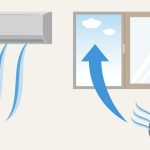
Minimize your outdoor air intake. Close fresh-air dampers and set your HVAC system to recirculate air.
Ventilation’s job is to pull in fresh air from the outside. In case of a wildfire, the air becomes a toxic pipeline. Whether you are dealing with a residential setup or managing a wildfire smoke commercial HVAC filter system, adjusting the ventilation immediately shuts down the primary gateway of smoke into your building.
Instead, the recirculation mode of your HVAC system can keep recirculating your indoor air and keep it fresh. To maximize protection, have an HVAC expert handle the Testing, Adjusting, and Balancing (TAB) of your airflow. If possible, use positive building air pressure to shield the unit. Minimize the leakage through your doors and windows.
3. Use Air Purifiers
Air purifiers can help you catch finer particles and keep your indoor air free from contamination.
As we’ve already mentioned, smoke particles easily pass through normal filters. Even though an advanced air particulate setup (like MERV and HEPA filters) is more effective, air purification solutions can help you tackle the remaining 10%.
You can use in-duct air purification systems (like UV-C light and ionizers) to enhance the air quality. They can directly purify the air while flowing. Activated carbon filters can also catch VOCs and smoke-related odors.
4. Maintain Proper Humidity (and Airflow)
Good humidity levels prevent smoke particles from being sticky. A proper airflow protects your motor from burning out if your filter is clogged.
Maintain humidity levels between 40-50%. Smoke particles settle faster in this range, and you reduce the risk of inhaling. Usually, your air conditioner controls the humidity. If it isn’t enough to handle, consider getting a humidifier/dehumidifier separately.
For proper airflow, run HVAC fans at low speeds (even though you don’t particularly need heating or cooling). The fan’s airflow will help the particulate move to the filters.
5. Monitor IAQ and Use Smart Controls
Consider installing an indoor air quality (IAQ) sensor. If you have building management systems (BMS), that’s a bonus.
IAQ sensors can help you monitor PM2.5, CO2, and VOC levels in real time. You can also connect them with purifiers and filtration systems to adjust their settings based on your home’s current condition due to smoke. Tracking your metrics helps you go through the requirements and questions about your HVAC filtration. The automation keeps your static pressure low so the fan motor never overheats.
BMS systems dynamically optimize your HVAC’s operation. They can adjust airflow, filter efficiency, and purification modes. All of those are a plus during the wildfire smoke crisis.
6. Avoid Activities That Create More Smoke
If you create more smoke, there’ll be more particulate for your HVAC system to filter and keep you safe. The load (and wear) gets heavier in the process.
So, avoid:
- Smoking
- Using stoves and furnaces
- Spraying aerosol products
- Frying (food)
- Burning candles or incense
- Vacuuming
In our post-fire duct cleaning service calls, we found that these smoke-related issues have turned standard filters into a tar-soaked brick.
7. Seal and Insulate Your Home
This sounds similar to ventilation, but you also need to seal your leaks in your windows and doors. Of course, you need to keep your windows and doors closed during smoke. However, there are minor “leaks” and attic passageways that allow air to flow in from outside.
Seal your air leaks with caulking and weather stripping. Add door sweeps to make it airtight. You can use professional HVAC services to insulate all the attic access points.
Protect Yourself from Wildfire Smoke
Your HVAC system keeps you safe indoors, but you need to maintain a few checklists during the crisis:
- Minimize exercise or activity levels to allow less pollution into your breath.
- Drink plenty of water to avoid or treat a scratchy throat and coughing.
- Run fans and ACs to push the air out of your home.
- Keep calm and lower your stress levels to make better decisions.
- Maintain good nutrition to protect your health from the effects of the smoke.
HVAC Smoke Contamination Cleanup: Post-Fire Steps
After the outdoor air clears, there are still lingering smells and your system’s efficiency issues. The next step is to remove HVAC contamination for long-term indoor environmental safety. Go through this post-fire checklist:

- Inspect the Ductwork: Check the returns closet for soot accumulation. If you notice ash bypassing the filter, consider getting a professional duct cleaning to remove the toxins.
- Deep-Clean the Coils: Soot acts as an insulation. Have a technician spray down the indoor evaporator coils and outdoor condenser coils with a designated coil cleaner.
- Purge the System: Run your system on high with a fresh filter with activated carbon. It’ll scrub out any residual wall or structural odors.
- Call Professionals for Repair: If your unit sustain any heavy damage, call an AC repair service to inspect your components.
HVAC System Protection FAQs
Can I run my air conditioner if it is smoky outside?
Yes. You can safely run your air conditioner, but you must adjust your ventilation settings. Set your system to “recirculate” mode and close any fresh-air intake dampers.
How often should I change my HVAC filter during a wildfire event?
Check your filter every 2 to 3 days during the crisis. Wildfire ash and soot stay in full force in the air. They can easily clog filters at a fast pace.
Will a standard fiberglass air filter protect my home from wildfire smoke?
No. Standard fiberglass filters are effective in catching large dust bunnies and protecting your equipment. A MERV 13 or higher filter lets you catch microscopic particles found in wildfire smoke.
What should I do to my outdoor AC unit after the wildfire smoke clears?
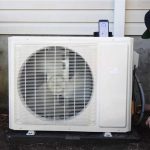
Cleaning your filter and outdoor condenser is the first step. Once the air quality improves, turn off your system at the thermostat and gently rinse your outdoor unit with a garden hose. It’ll wash away soot and ash on the surface.
Can I use a HEPA filter in my standard home HVAC system?
Generally, no. True HEPA filters are too dense for standard residential HVAC systems and will severely restrict airflow. It can potentially freeze your coils or destroy your motor. Stick to a high-quality MERV 13 filter unless an HVAC professional confirms your system can handle the static pressure of a HEPA filter.
Conclusion
Protecting your home from wildfire smoke is a dual effort. You have to safeguard your health while protecting your HVAC system, that act as your shield. Proactively upgrade to MERV 13 filters, adjust ventilation, and monitor IAQ with air quality solutions to mitigate hidden structural and physical damage from the smoke.
Don’t wait for a local air quality emergency to act. Preparing your HVAC system today keeps you, your family, and your investment safe when the smoke starts to come.