We all have pretty busy schedules, and it’s easy to forget about adding AC inspection to the to-do list. I mean, what could really go wrong with the air conditioning, right?
But no one wants their cooling system to give out in the middle of a sweltering summer day. I’ve seen plenty of homeowners end up sweating it out and wishing they’d taken care of a little preventative maintenance before the heatwave hit.
In this post, I’ll explain what happens during a professional AC inspection, why it’s essential for your system’s performance and lifespan, and how it helps you avoid expensive, unexpected repairs. Let’s break down why this service matters and why it’s one appointment you don’t want to skip.
Key Takeaways
|
Introduction to Home Air Conditioner Inspection
Regular AC inspections are always a MUST, especially when it comes to keeping your home cool and comfortable.
I’ve seen firsthand how neglecting a proper inspection can lead to:
- Higher energy bills
- Poor indoor air quality
- Breakdowns at the worst possible time
While homeowners can perform basic upkeep, like changing the air filter or clearing debris around the outdoor unit, these small actions help but don’t cover everything. Professional inspections go beyond the basics and can identify issues that DIY efforts might miss, such as:
- Worn-out parts
- Refrigerant issues
- Electrical problems
Catching these hidden problems early prevents them from turning into major (and expensive) headaches down the line.
So, while simple maintenance is great, it’s also wise to schedule a professional AC inspection at least once a year. This proactive step keeps your system in optimal working condition, helps you avoid costly repairs, and ensures your home stays cool when you need it most.
Understanding Your AC System
Most homeowners just expect their AC to work when they need it, and that’s fair. But knowing a little bit about how your system works can really help when it comes to keeping it running smoothly.
Your air conditioner is more than just one big machine. There are small parts that work together. For instance, the evaporator coil inside your home that cools the air, the condenser coil outside that releases the heat, and the fan motor that keeps air moving through the system.
Your home stays cool and your energy bills stay manageable only when everything in your cooling systems is clean and working right.
I’ve seen that small steps, like changing the air filter every 1–3 months and checking that vents aren’t blocked, can make a noticeable difference.
You can also take a quick look at the thermostat settings and inspect visible wiring or connections (just be sure to turn off power first if you’re poking around anything electrical).
Of course, even with regular DIY care, nothing beats a professional inspection and maintenance. A licensed HVAC tech can catch things homeowners often miss, like low refrigerant levels or worn-out parts, and help prevent those surprise breakdowns.
Pre-Inspection
Before you bring in an HVAC technician for an inspection, there are a few simple things you can do to prepare for HVAC maintenance. A little prep can go a long way to ensure the inspection proceeds smoothly and that no crucial details are overlooked.
1. Clear Access To Your AC Unit
- Make sure there’s clear access to both the indoor and outdoor units.
- Move boxes, furniture, or any obstacles that might block the way.
- Technicians need space to safely check the system and reach electrical connections.
2. Make A List Of Any Issues
- Is one room colder or warmer than the rest?
- Is your system making strange noises or cycling on and off too often?
- Have you noticed warm air blowing from the vents when it’s supposed to be cool?
Keep a record of these observations, as it helps the technician focus on the right areas from the start.
3. Check the Basics Yourself
- Inspect the air filters, thermostat, and visible wiring before the inspection.
- If anything looks off, mention it to the technician.
This simple pre-inspection keeps you on top of things and ensures the technician has all the info they need to do a thorough job.
Routine inspections of your AC can help identify minor issues before they turn into major, costly ones. When you’re prepared, the process is quicker, easier, and more effective.
The Importance of HVAC Inspection
Let’s face it, none of us wants to deal with a broken AC in the middle of summer. I’ve seen many households go through that, and it’s no fun. That’s why I can’t stress enough how important regular HVAC inspections are for your system to avoid costly repair bills.
When you schedule a checkup, a certified technician does more than just give your AC a quick look. They can catch serious issues early, like electrical component problems, low refrigerant, or even carbon monoxide leaks if you’ve got a combo heating and cooling unit. These are things most homeowners wouldn’t spot on their own, but they can affect everything from energy bills to your family’s safety.
Regular inspections also help maintain your system working smoothly. When your AC isn’t working overtime to push air through dirty filters or worn-out parts, it uses less energy, and that means lower utility bills for you. Plus, when everything’s running like it should, you’ll likely get more years out of your system before needing a big repair or full replacement.
I’ve consistently seen that keeping up with routine maintenance saves money, stress, and a whole lot of sweaty afternoons. It’s a simple step that helps your AC stay strong, safe, and ready to keep your home cool when you need it most.
DIY vs. Professional Inspection
There are a few basic DIY HVAC inspection checks that homeowners can handle themselves:
- Changing the air filter
- Cleaning vents
- Making sure the thermostat is working properly
If you’re comfortable with these tasks, they can definitely help keep your system in good shape.
While you might spot obvious signs of trouble, there are hidden issues like:
- Refrigerant leaks
- Failing electrical parts
- Problems with the compressor
These issues can only be detected by a trained eye. That’s where a certified HVAC technician really makes a difference.
When you hire a professional, they perform a thorough check, including:
- Testing components
- Examining airflow
- Inspecting connections
- Ensuring everything is operating securely and effectively
You get peace of mind knowing the system will maintain proper air flow and won’t fail during a heatwave, and if something’s starting to go wrong, they’ll catch it early.
Sure, professional inspections come with an upfront cost, but they often save you money in the long run by:
- Avoiding major repairs
- Preventing early replacement
- Helping your system last longer and perform better
So, while you continue to do your part with simple upkeep, don’t forget to schedule a professional inspection. It’s a smart move for any homeowner who wants to stay cool and worry-free.
Inspection Process
Whenever it’s time for an AC inspection, many homeowners like to know what’s actually being checked. It helps them feel more in control and confident that everything’s being taken care of. So, here’s an AC inspection of what a certified HVAC technician will usually look at.
Thermostat Inspection
The thermostat might seem simple, but it plays a huge role in keeping your home comfortable. If it’s off even a little, your whole system can act up.
During the inspection, the technician will take a close look at the wiring inside your thermostat, test how it responds to temperature changes, and make sure it’s turning the system on and off like it should. They’ll also check the settings and programming to see if it’s optimized for energy efficiency.
I’ve seen firsthand how a faulty thermostat can mess with comfort, it can make rooms too hot, too cold, or just inconsistent. That’s why regular checks here really matter.
Furnace and Electrical Components
Even if you only think of your AC during hot months, the furnace and electrical parts play a big role in how the whole system runs. Things like the fan motor, electrical connections, and control board need to be in good shape.
A technician will inspect all of that, looking for wear and tear, frayed wires, loose connections, or anything else that might be unsafe or cause problems down the line. I always recommend leaving electrical checks to the pros, it’s one area best handled by experts.
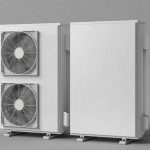
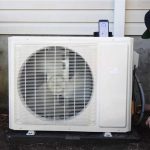
Outdoor Unit Inspection
The outdoor unit is where your AC releases heat from inside your home. It’s exposed to the elements year-round, so it needs regular care.
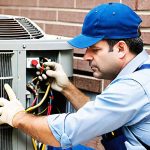
The technician will inspect the condenser coil, fan motor, and overall condition of the unit. They’ll check for things like bent fins, clogged coils, or corroded parts, all of which can affect how well your AC cools your home.
Even something as simple as leaves or dirt buildup can block airflow and reduce efficiency, so keeping this part in good shape makes a big difference.
System Efficiency
Most homeowners want to keep their energy bills as low as possible, especially when the AC is running nonstop in the summer. Maintaining comfortable humidity levels indoors is crucial during these times. That’s why keeping your HVAC system in top shape is such a smart move when it comes to energy efficiency and air quality.
When your system is properly maintained, it doesn’t take much effort to maintain comfort in your home. But if there are air leaks, clogged filters, or even something like a sluggish fan motor, your AC ends up burning more energy, and your wallet feels it. I’ve seen many cases where small issues snowballed into bigger problems because they were ignored for too long.
During an inspection, a certified technician can spot hidden problems homeowners might miss. They’ll check for leaks, test airflow, and give honest suggestions, whether that’s cleaning components, sealing ducts, or even considering a system upgrade if yours is getting old and inefficient.
In the long run, staying on top of maintenance keeps your system running efficiently, your home more comfortable, and your utility bills in check. And let’s be real, don’t you want to save money while breathing cleaner air? That’s a win-win in my book.
Indoor Air Quality
Let’s be honest, who wants to breathe in dusty, stale air at home? No one, right? Many people think indoor air quality is just about opening a window once in a while, but it turns out your HVAC system has a huge impact on the air we breathe every day.
During a regular AC inspection, a technician can catch issues that affect air quality. For instance, mold growth, dust buildup, or even carbon monoxide leaks can occur in systems that handle both heating and cooling. These aren’t just comfort issues; they can have an impact on your health, especially if anyone in your household suffers from allergies, asthma, or other respiratory problems.
Good techs can also suggest ways to improve things. Let’s say adding an air purifier, replacing your air filters more often, or even upgrading to a newer system if yours isn’t doing the job anymore. Many homeowners don’t realize how much of a difference clean air makes until they start paying attention to it. But if you truly can notice, you will actually feel the improvement.
Keeping your HVAC system clean and well-maintained doesn’t just help it run better; it helps you feel better, too. And that’s more than enough reason to stay on top of it.
Conclusion
So, there you have it. Scheduling regular AC inspections may not be the most exciting part of homeownership, but it’s one of the smartest moves you can make. Professional inspections help catch small issues before they turn into major, costly repairs keeping your system efficient, your home cool, and your energy bills under control.
From my experience, investing in routine inspections saves homeowners a lot of stress when summer heat hits hard. If it’s been a while since a licensed technician has evaluated your system, consider this your reminder: an AC inspection is a simple step that protects your comfort, your wallet, and the long-term health of your cooling system.
FAQs
How Often Should I Change My AC Filter?
Changing your AC filter every 1-3 months is recommended, depending on usage and environment. Frequent changes ensure better air quality and system efficiency while preventing dust buildup that can cause strain on the system.
What Are The Signs That My AC Needs A Professional Inspection?
If your AC is making strange noises, cycling too often, or blowing warm air, it’s time to call a professional. Any unusual behavior or irregularities in performance are signs that an inspection is needed to avoid major breakdowns.
Can I Perform An AC Inspection Without A Professional?
Yes, you can perform basic inspections like checking the air filter, ensuring vents are clear, and ensuring the thermostat is functioning. However, hidden issues like refrigerant leaks, internal wiring, or electrical problems require the expertise of a professional to detect.
What Does An AC Technician Look For During An Inspection?
As HVAC experts, we inspect various components like the thermostat, condenser coils, refrigerant levels, wiring, and airflow. We check for wear and tear, leaks, or faulty parts that could affect your system’s performance.
Is A Professional AC Inspection Worth The Cost?
Yes! While professional inspections cost a little upfront, they help identify issues early, saving you money in the long run by preventing costly repairs, increasing system efficiency, and extending the lifespan of your AC unit.