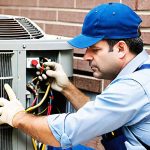
At one point in the HVAC lifespan, it will become inefficient. You may encounter that your HVAC is struggling to operate and failing to meet heating and cooling needs. This is the time you should consider replacing the existing HVAC system. However, replacement is a big investment and requires a good amount of money.
Therefore, you should consider the replacement cost before deciding to replace the AC unit. In this guide, you will get to know the proper breakdown of AC replacement costs, considering the air conditioner types and other factors.
| TL;DR AC replacement costs range from $150 for basic window units to over $30,000 (up to $45,000 for complex geothermal systems), with the average full-home replacement falling between $6,600 and $12,000. |
Core Factors Affecting AC Replacement Cost
The replacement cost for air conditioning systems varies significantly depending on system architectural type and capacity. For portable or window units, the cost can be $150–$800. For high-end central ACs or geothermal systems, it can go up to $22,000–$45,000.

Types and Models of Air Conditioning Systems
Central systems or ductless split systems carry higher investment costs, whereas window and portable units are economical.
| AC Types | Best For | Replacement Cost |
| Central Air Conditioning Systems | Homes with existing ductwork | High ($6,500 – $12,500) |
| Heat Pumps | Dual heating and cooling needs | High ($10,500 – $15,000) |
| Ductless Mini-Splits | Homes without existing ducts | Medium to High ($4,500 – $12,000) |
| Window AC | Single rooms, apartments, or low budgets | Low ($150 – $800) |
| Portable AC | Portability and low budgets | Low ($250 – $900) |
System Capacity or Tonnage
The capacity of your air conditioner is a major cost driver. Different home sizes require different cooling tonnage. For example, a 1,200 sq. ft. single-story home typically needs a 2-ton AC. Meanwhile, a 3,000 sq. ft. multi-story home may require a 4- to 5-ton unit, which has a significantly higher replacement cost. As system tonnage increases, replacement costs rise proportionally.
| Home Size (Sq. Ft.) | Required Capacity | Estimated AC Unit Cost | Full HVAC System Cost |
| 1,000 – 1,500 | 1.5 – 2.5 Tons | $3,000 – $5,000 | $5,000 – $8,500 |
| 1,500 – 2,000 | 2.5 – 3 Tons | $4,000 – $6,500 | $7,000 – $12,000 |
| 2,000 – 2,500 | 3.5 – 4 Tons | $5,500 – $8,500 | $10,000 – $15,000 |
| 2,500 – 3,000+ | 4 – 5 Tons | $7,000 – $11,000+ | $13,000 – $18,000+ |
SEER2 and HSPF2 Ratings
The U.S. Department of Energy raised minimum efficiency standards for heating and cooling systems via SEER2 and HSPF2 metrics. High-efficiency systems demand a 5% to 10% premium upfront compared to standard units but yield substantially lower long-term operating costs.
Geographic Location and Labor Cost
Labor rates vary considerably between urban and rural markets. Urban installations often carry up to a 15% labor premium. Additionally, harsh regional climates or complex installation access points increase overall labor hours.
Hot climates (e.g., Texas, Sunbelt) have high cooling loads. Your home often needs higher tonnage (3.5- 5 tons) for high cooling loads and higher SEER2 ratings (15+ in some cases). Equipment cost (and often the labor cost) increases accordingly. Milder/Northern climates can get away with lower numbers.
Add-Ons and Upgrades
System upgrades selected during replacement or HVAC equipment selection will adjust total project investment. Addressing existing ductwork conditions or adding optional IAQ features adds to the base cost:
- Air purifiers & whole-home filters
- Humidity controllers & ERV/HRV ventilators
- Smart thermostat installation
- Zoning controls & smart home integration
Permits, Disposal, and Miscellaneous Fees
During an AC replacement, I see people often overlooking multiple factors that may or may not add in the final price:
- Equipment removal
- Legal disposal of old units
- Municipal building permits
- AC refrigerant recovery
- Code compliance adjustments
They typically add $150 to $600 to final invoices.
Single Unit vs Combined Replacement of Furnace + AC
AC and furnaces can both cost $5,000 to $15,000 simultaneously. However, if you replace them both at the same time, you don’t have to pay twice for the same labor.
| System Combination | Average Cost (Installed) | Best For |
| AC Only | $3,500 – $8,000 | Homes with a newer furnace (< 5 yrs old) |
| Standard AC + Gas Furnace | $5,000 – $12,500 | Most traditional homes with existing gas lines |
| Heat Pump + Air Handler | $6,000 – $15,000+ | All-electric homes or mild climates |
New Changes Affecting AC Replacement Cost in 2026
The HVAC industry has gone through some recent regulation and technological shifts. Keeping up with them requires different approaches and modifications, which are often “extra” costs for customers.
1. Refrigerant Transition (Low-GWP Mandates)
HVAC manufacturers are completing the shift to low Global Warming Potential (GWP) refrigerants. We are moving from R-410A to R-454B and R-32 (offering a 78% GWP reduction). Equipment redesigned for next-gen refrigerants increases baseline equipment pricing by 10%+, reflecting a 5% to 7% overall increase in turnkey replacement costs.
2. Inflation Reduction Act (IRA) Incentives
Under federal IRA guidelines, qualifying heat pump upgrades remain eligible for federal tax credits up to $2,000. Additionally, state-administered low-to-moderate-income electrification programs offer rebates covering 50% to 100% of qualified system replacements. All the credits and incentives can help you save on the replacement cost.
3. Smart Inverter Compressors
New 2026 air conditioning models prioritize variable-speed inverter compressors. By dynamically modulating output to real-time cooling demands, inverter systems reduce energy usage by up to 20%, though they carry a higher initial purchase price.
Calculating Your AC Replacement Cost: Step-by-Step
With every hypothetical cost addition, here is how you can calculate your AC replacement cost:
1. Evaluating through Manual J Load Calculations
Ensure your contractor performs a formal Manual J load calculation rather than relying on quick rule-of-thumb estimates. This evaluation factors in home square footage, ceiling heights, insulation levels, window orientation, and local climate data to size equipment accurately.
2. Selecting the Energy Efficiency Tier
Higher SEER2 ratings command higher unit costs but deliver superior seasonal efficiency:
| SEER2 Rating Tier | Upfront Equipment Cost | Price & Efficiency Profile |
| Entry Level (14.3 SEER2) | $3,800 – $5,500 | Lowest upfront cost; meets minimum regulatory baseline. |
| Mid-Range (15 to 17 SEER2) | $4,500 – $7,500 | Moderate cost; optimal balance of price and operating efficiency. |
| High Efficiency (18 to 24 SEER2) | $6,000 – $12,000+ | Highest upfront cost; premium indoor comfort and max energy savings. |
3. Gather Comparable Quotes
Obtain at least 3 detailed written estimates to evaluate identical scopes of work. Verify line items for model numbers, equipment costs, labor fees, permit charges, existing unit removal, and warranty coverage.
4. Identify Potential Hidden Costs
- Air Handler Stands / Base Pads / Code Upgrades: $200 – $600
- Electrical Panel Modifications: Up to $1,200
- Condensate Pump or Drain Line Repairs: $150 – $450
AC Replacement Cost Breakdown in 2026
| Type of AC System | Unit Cost | Installation / Labor Cost | Total Replacement Cost |
| Central AC Unit (Split System) | $3,900 – $7,500 | $2,600 – $5,000 | $6,500 – $12,500 |
| Ductless Mini-Split | $2,000 – $4,000 | $2,500 – $8,000 (Multi-Zone) | $4,500 – $12,000 |
| Dual Fuel System (Heat Pump + Furnace) | $5,500 – $9,500 | $5,000 – $5,500 | $10,500 – $15,000 |
| Geothermal Heat Pump | $12,000 – $20,000 | $6,000 – $10,000 | $18,000 – $30,000+ |
| Window AC Unit | $150 – $700 | $0 – $100 | $150 – $800 |
| Portable AC Unit | $250 – $900 | $0 | $250 – $900 |
DIY vs. Professional Air Conditioner Replacement
While labor expenses may make DIY installation tempting, central and split system replacements require professional execution for safety, legal, and operational reasons.

Tooling and Safety Requirements
Federal law requires EPA Section 608 Certification to handle, recover, and charge refrigerants. Uncertified handling risks severe environmental penalties, personal safety hazards, and system failure.
Warranty and Code Compliance
Most manufacturers explicitly mandate that installation be performed by licensed HVAC professionals to keep equipment warranties active. Furthermore, unpermitted installs violate local building codes and create disclosure issues during home sales.
Note: DIY replacement should be limited strictly to plug-in window units, portable ACs, or simple smart thermostat swaps.
Cost-Saving Strategies to Replace Your AC
- Off-Season Scheduling: Schedule replacements during shoulder seasons (early spring or autumn) when installer demand is lower.
- System Bundling: Replace furnace/air handler simultaneously with the outdoor condenser; contractors frequently offer 8% to 15% package discounts.
- Utility & Federal Rebates: Check database offerings for high-efficiency SEER2 and heat pump rebates.
- Financing Promotions: Take advantage of 0% promotional APR plans offered by licensed contractors.
- Value Negotiations: If direct pricing flexibility is limited, request included value-adds such as a complimentary first-year maintenance plan, surge protectors, or upgraded filters.
Avoiding Scams and Getting the Best Price
Contractor Red Flags
- High-pressure sales tactics (“Today only” pricing demands)
- Requests for cash-only payments or unusually high upfront deposits
- Inability to provide proof of state licensing, physical business address, or active insurance
Key Contractor Vetting Criteria
- Better Business Bureau (BBB) accreditation and solid ratings
- NATE (North American Technician Excellence) certified field technicians
- Comprehensive general liability and workers’ compensation insurance
- Verified customer reviews across platforms like Google, Yelp, and Angi
- Clear written contract detailing timeline, payment milestones, and change-order terms
Financing Options for AC Replacement
- Zero-Interest Promotions: Consumer promotional financing offering 0% APR over 12 to 18 months allows manageable payments while immediately lowering monthly utility bills.
- HELOC & Personal Loans: Home Equity Lines of Credit offer competitive rates (averaging ~8.27%), while unsecured personal loans provide quick funding without tapping equity.
- On-Bill Financing: Selected energy utilities permit customers to pay off high-efficiency upgrades directly through monthly electric bill assessments.
Final Thoughts
Replacing an inefficient air conditioner is a critical home investment that restores indoor comfort and controls ongoing energy costs. By understanding system types, sizing requirements, SEER2 benchmarks, and 2026 refrigerant updates, homeowners can evaluate quotes with confidence. Explore available financing options, verify installer credentials, and leverage rebates to ensure optimal long-term system performance and value.
Frequently Asked Questions
What Is the Average AC Replacement Cost in 2026?
The average AC replacement cost in 2026 typically ranges from $6,600 to $12,000 for most central or ductless systems. Costs can rise above $30,000 for geothermal or high-capacity systems, depending on home size, efficiency rating, and add-ons.
How Much Does AC Unit Replacement Cost for a Home?
The cost of AC unit replacement for a home depends on the type, capacity, and efficiency rating of the system. For central ACs, the total can range from $6,500 to $12,500, while window or portable units can be under $1,000.
What Factors Affect the Cost to Replace an AC Unit?
We recommend considering system type, tonnage, SEER2 rating, labor costs, permits, and add-ons. Features like smart thermostats or air quality upgrades can also increase the cost to replace an AC unit slightly.
How Can I Estimate Full AC Replacement Cost for My Home?
To estimate the full AC replacement cost, we suggest getting multiple quotes, performing a Manual J load calculation, and including installation, removal, permits, and optional upgrades. This ensures your estimate reflects the true cost of replacement.
Is There a Difference Between AC Unit Replacement Cost and AC System Replacement Cost?
Yes. AC unit replacement cost often refers to the price of the indoor and outdoor units alone, while AC system replacement cost includes installation, labor, permits, and add-ons. We always recommend budgeting for the full system to avoid surprises.