Saving energy isn’t just about lowering your monthly utility bills; it’s about optimizing your comfort while protecting your HVAC system from unnecessary strain.
With smart usage habits and expert-backed strategies, homeowners can achieve consistent comfort across every season.
I’ll share 10 proven HVAC energy saving tips for lower utility bills and long-term system efficiency.
Whether it’s summer heat or winter chill, these energy-saving tips HVAC professionals recommend will help you get the best performance from your system year-round.
Key Takeaways
|
Tip #1. Set the Right Thermostat Temperature
Finding the right thermostat strategy is one of the biggest energy questions homeowners face.
Should you let your HVAC system run at a constant temperature, or is it better to adjust it throughout the day?
The answer depends on how well your home retains temperature and how smart your thermostat is.
What Makes Temperature Setbacks More Efficient?
Many believe keeping the HVAC at a steady temperature uses less energy. In reality, most modern thermostats, especially programmable and smart models, are designed to optimize setbacks.
The U.S. DOE’s 78°F Rule and Winter Settings
The U.S. Department of Energy (DOE) recommends 78°F for cooling and 68°F for heating to strike the ideal balance between comfort and efficiency.
Pairing these settings with a smart thermostat lets you schedule adjustments automatically, so your home cools down before you arrive and warms up before you wake.
Some smart thermostats even learn your habits, using AI algorithms to fine-tune your indoor climate while minimizing energy waste.
Pro Tip: For better humidity control in summer, set your HVAC fan to “auto” instead of “on.” This prevents excess moisture from re-entering your home, keeping comfort high and energy use low.
Tip #2. Schedule Regular HVAC Tune-Ups
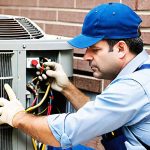
Just like a car needs regular maintenance to run efficiently, your HVAC system performs best when it’s tuned up by professionals at least once a year.
Regular HVAC maintenance keeps your unit running smoothly, prevents small issues from turning into costly repairs, and helps maintain high efficiency all year long.
Technicians clean the coils, inspect the electrical connections, and test the system’s performance during an HVAC tune-up. These steps ensure that your equipment does not work harder than it has to.
This can also lead to lower utility bills and increased energy efficiency. Neglecting maintenance can cause your system to lose up to 5% efficiency per year, resulting in higher costs for the same level of comfort.
How Annual Maintenance Extends HVAC Lifespan
Routine maintenance not only improves performance but also extends the life of your HVAC unit. A well-maintained unit can last several years longer than one that receives little professional attention.
Keeping up with annual checkups is one of the smartest HVAC energy-saving tips for homeowners who want long-term comfort and reliability.
Pro Insight: Our GLA HVAC professionals often recommend scheduling your tune-up before the heating or cooling season begins. This way, you can fix small problems early and avoid system breakdowns during extreme weather.
Tip #3. Replace Air Filters Monthly
A clean air filter is one of the simplest and most effective ways to keep your HVAC system energy efficient.
How Dirty Filters Affect Efficiency
A dirty filter restricts airflow, forcing your AC unit to run longer to reach the desired temperature. This not only wastes energy but also strains key components like the blower motor and compressor.
Replacing filters every 30 to 60 days, especially during heavy-use months, is one of the easiest energy-saving HVAC tips that can lower your energy consumption by up to 15%.
Choosing the Right Filter
Different filters serve different needs. Standard fiberglass filters are affordable but need frequent replacement, while pleated or HEPA filters trap more dust and allergens, improving indoor air quality.
Tip #4. Seal Ducts and Air Leaks
Air leaks in your ductwork or around your home can waste a surprising amount of energy. In fact, studies show that leaky ducts can cause up to 20–30% of energy loss.
Due to duct leaks, a significant portion of the air your HVAC system heats or cools never reaches your living spaces. Sealing these leaks is one of the most impactful HVAC energy-saving tips for lower utility bills and consistent comfort.
How Can You Fix Duct Leaks for Better Efficiency
Cracks, loose connections, or poorly sealed joints allow conditioned air to escape into attics, crawl spaces, or walls. Sealing these with mastic sealant or foil-backed tape ensures air flows exactly where it should.
Our Green Leaf Air HVAC professionals can also pressure-test duct systems to identify hidden leaks that DIY fixes often miss.
Seal Your Home Envelope
Duct leaks aren’t the only problem; gaps around doors, windows, and vents also let air escape. Sealing these with weatherstripping and caulk can make your home more airtight.
Sealing your home can prevent heat loss in winter and keep cool air inside during summer, and can also reduce your heating and cooling costs by up to 20%.
Pro Tip: After sealing, add insulation in attics or basements to help your HVAC system maintain stable indoor temperatures with less effort.
Tip #5. Use Ceiling Fans and Ventilation Strategically
Ceiling fans and proper ventilation can make your HVAC system’s job much easier.
By improving air circulation, these tools help maintain comfort without relying solely on heating or cooling.
This simple adjustment is one of the most practical energy-saving tips for summer HVAC.
How Ceiling Fans Support Energy Efficiency
Even when the thermostat is set a few degrees higher, the breeze created by ceiling fans keeps you feeling cooler.
For example, running a fan in the summer can make a room feel 4 to 6 degrees cooler, allowing you to raise the thermostat while remaining comfortable.
I used to only use ceiling fans in rooms that were occupied. Turn them off when you leave to save energy while staying comfortable.
During the winter, reverse the fan direction to push warm air down and effectively balance the room temperature.
Improve Ventilation for Better Air Quality
Proper ventilation also plays a key role in energy-efficient HVAC usage. Ventilation helps remove excess humidity, stale air, and pollutants, making your system more effective.
Bathroom and kitchen exhaust fans should be used wisely; turn them off once humidity or odors are cleared to avoid losing conditioned air.
Tip #6. Block Heat Gain and Heat Loss
The amount of sunlight and outside temperatures that enter your home has a significant impact on how well your HVAC system functions. You can lower energy expenses and preserve indoor comfort by managing this well.
Keeping out unwanted heat in the summer and keeping warm in the winter are easy yet efficient energy-saving HVAC tips that pay off all year long.
Control Sunlight to Reduce Cooling Costs
During the summer, sunlight entering through windows can quickly raise indoor temperatures.
Curtains, blinds, or reflective window films can block direct sunlight, reducing the strain on your air conditioner.
For homes with large windows, energy-efficient window coverings can reduce heat gain by up to 30%, making them one of the easiest energy-saving tips for summer HVAC performance.
Retain Heat During Winter
In winter, the same principles apply in reverse. Open curtains during the day to let in natural warmth, then close them at night to trap heat.
This strategy keeps your home comfortable and reduces heating demand on your HVAC system.
Adding insulation to attics and walls also prevents warm air from escaping, helping your system work less to maintain the desired temperature.
Tip #7. Practice Smart Energy Habits
Sometimes the best HVAC energy-saving tips come down to simple daily habits. The way you use your system and other appliances during peak hours can make a big difference in overall energy consumption and your monthly utility bills.
Adjust Usage During Peak Demand Hours
Electricity demand usually spikes between 2 p.m. and 7 p.m., especially in the summer.
During this time, reduce your system’s load by setting your thermostat a few degrees higher and avoiding the use of large appliances like ovens, dryers, or dishwashers.
This helps you both save money and reduce stress on your HVAC system and the local power grid.
Unplug Energy-Draining Devices
Appliances and electronics continue to draw power even when not in use.
Unplug chargers, computers, and entertainment systems when they’re idle to minimize wasted energy.
Though these may seem like small actions, together they support better energy-saving HVAC practices and contribute to a more efficient home overall.
Pro Tip: Use smart plugs or power strips that automatically cut off standby power to make energy-saving habits easier and more consistent.
Tip #8. Know When It’s Time to Upgrade Your HVAC System
Even the best maintenance cannot make an old HVAC system run like new forever. Efficiency gradually decreases, and energy bills start to rise.
When an Upgrade Become Necessary
If your system is older than 10-12 years or requires frequent repairs, it may be time to consider a replacement.
Newer HVAC systems come with higher SEER2 ratings and improved components designed to save energy.
According to ENERGY STAR, upgrading to a high-efficiency model can save up to $140 annually on energy costs, and even more if your current unit is outdated or improperly sized.
Consider a Heat Pump for Year-Round Savings
Heat pumps are worth considering for homeowners looking to improve their energy efficiency.
They transfer heat instead of generating it, making them one of the most cost-efficient options for both heating and cooling.
A quality heat pump can reduce heating costs by up to 50% while maintaining comfort through every season.
When upgrading, consult our GLA’s licensed HVAC professionals who can evaluate your home’s size, insulation, and ductwork to recommend the most efficient system for your needs.
Tip #9. Ensure Proper HVAC Sizing and Installation
If an HVAC system is not installed or sized correctly, even the most advanced models can waste energy.
When an HVAC system is oversized, it cools or heats the home too quickly, causing frequent on-and-off cycling.
This short cycling wastes energy and reduces system lifespan. On the other hand, an undersized system runs constantly, struggling to reach the desired temperature.
The right size unit balances output with your home’s heating and cooling load for consistent comfort and lower utility bills, which is a key focus of HVAC companies’ energy-saving tips services.
Improper installation can reduce system efficiency by up to 30%, even for new, high-efficiency units. Our Green Leaf Air’s professional technicians ensure correct refrigerant levels, airtight duct connections, and optimized airflow.
We also calibrate thermostats and check static pressure to make sure your system performs exactly as designed. Our expert team calculates the manual J load before installation.
This exact technique determines the right system size based on the square footage, windows, insulation, and climate of your house.
Tip #10. Use Smart AI and Energy Monitoring Tools
Technology is transforming the way homeowners manage indoor comfort and energy efficiency. Smart thermostats, monitoring apps, and AI-driven tools are making it easier than ever to track usage, optimize schedules, and cut waste.
In addition to thermostats, AI-powered energy management systems can analyze your HVAC’s performance in real time. These platforms send alerts when efficiency drops, suggest maintenance actions, and track how your usage compares to similar homes.
Explore energy-saving tools that help homeowners analyze performance, reduce consumption, and maximize HVAC efficiency.
Over time, these insights can help you adopt smarter habits and achieve even greater HVAC energy savings.
Pro Tip: Use energy tracking reports from your smart devices to identify patterns, like peak usage hours or seasonal spikes, and make simple adjustments that lead to long-term efficiency.
Wrapping up on HVAC Energy Saving Tips
Saving energy with your HVAC system doesn’t require major changes; it just needs consistency and smart habits. From setting the right thermostat temperature and replacing air filters to sealing ducts, scheduling tune-ups, and embracing smart technology, each step adds up to meaningful results.
By applying these HVAC energy-saving tips, you can enjoy year-round comfort, extend system lifespan, and achieve noticeably lower utility bills. If you’re looking to optimize your home’s energy performance, contact our GLA HVAC professionals to help you build a personalized plan for comfort, cost control, and long-term reliability.
FAQs
Is it Cheaper to Run the AC All Day or Turn It off When not at Home?
Turning the AC off or setting it back while you’re away is usually more efficient. Modern thermostats recover temperatures quickly, using less energy overall than running the system constantly.
How does an Energy Recovery Ventilator (ERV) save money?
An ERV converts energy from outgoing air to incoming fresh air, reducing the load on your HVAC system. It keeps indoor air fresh while lowering heating and cooling costs, especially beneficial in tightly sealed homes.
How Can I Save Money On Energy Bills With A Split AC Unit?
Use zone-based cooling, only run the split unit in occupied rooms, and keep doors closed to retain conditioned air. Clean filters monthly and set the thermostat to moderate levels for efficient operation.
Any Tips to Improve the Energy Efficiency of a Home that Pays off in Five Years?
Insulate attics and crawl spaces, seal ductwork, install energy-efficient windows, and upgrade to a high-efficiency HVAC system or heat pump.
Are There Energy-Saving HVAC Options For Office Spaces?
Yes. Commercial-grade zoning systems, variable refrigerant flow (VRF) units, and smart building management systems (BMS) help regulate temperature efficiently across offices, reducing overall energy consumption and carbon footprint.