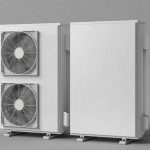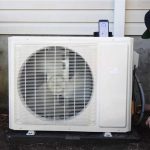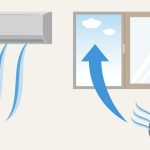
A heat pump and an AC condenser may look similar from the outside, but they do different jobs. A heat pump can both heat and cool your home. But a standard AC condenser is made only for cooling and needs a separate heating system, such as a furnace.
So the choice isn’t always obvious for homeowners replacing an old outdoor unit.
A heat pump can give you heating and cooling from one system, while an AC condenser may make more sense if your existing furnace is still in good shape. Your climate, energy costs, existing equipment, and heating needs all matter when deciding between the two.
| TL;DR A heat pump provides both heating and cooling, while an AC condenser only provides cooling and needs a separate heating system. Heat pumps can offer lower operating costs in the right climate, while an AC condenser may be more practical if your existing furnace is still in good shape. The best choice depends on your home’s setup, energy costs, climate, and long-term heating needs. |
Heat Pump vs AC Condenser: Key Differences
The biggest difference is simple: a heat pump can heat and cool, while a standard AC condenser only cools. A heat pump works with an indoor air handler or compatible furnace, while a conventional AC condenser works with an evaporator coil and separate heating system.
| Factor | Heat Pump | AC Condenser |
| Heating | Yes | No |
| Cooling | Yes | Yes |
| Heating system | Built in | Separate furnace or other heater |
| Efficiency ratings | SEER2 and HSPF2 | SEER2 |
| Backup heat | Heat strips or furnace | Separate heating system |
| Best for | Heating and cooling | Cooling only |
Heating Performance
A heat pump provides heat by moving it from outside into your home instead of generating it through combustion. Modern air-source heat pumps can continue working in cold weather, although their heating capacity and efficiency drop as outdoor temperatures fall.
When the heat pump needs extra help, auxiliary heat can turn on automatically.
Electric heat strips are common, while a dual-fuel system can use a furnace as backup. Emergency heat is a manual setting used when the heat pump itself isn’t operating.
This makes climate an important part of the decision. A heat pump can be a practical choice where heating demand is moderate, while a furnace may be preferred where strong heating output is needed for long periods.
Cooling Performance
Both systems can cool your home using the same basic refrigeration cycle. The outdoor unit rejects heat, while the indoor evaporator coil absorbs heat from the air inside your home.
Cooling performance depends more on the equipment’s SEER2 rating, capacity, compressor type, and system match than simply whether you’re using a heat pump or AC condenser.
Single-stage compressors generally operate at one output. Two-stage and variable-speed compressors can adjust capacity, which can provide steadier temperatures, quieter operation, and better humidity control.
Energy Efficiency and Operating Costs
A heat pump has two efficiency ratings to consider: SEER2 for cooling and HSPF2 for heating. Its COP can also be used to describe how efficiently it produces heat. We are recently seeing that heat pumps with 16 SEER2 and 15 SEER2 are doing pretty well in Dallas weather. It’s powerful enough to keep the inside warm with energy efficiency.
However, a conventional AC condenser only has a cooling efficiency rating because it doesn’t provide heat. Your home’s heating costs then depend on the separate furnace or heating system.
The cheapest system to operate depends on local electricity and gas prices, equipment efficiency, outdoor temperatures, and how often the system runs. A higher efficiency rating doesn’t automatically mean lower total energy costs.
Heat Pump vs AC Condenser Cost
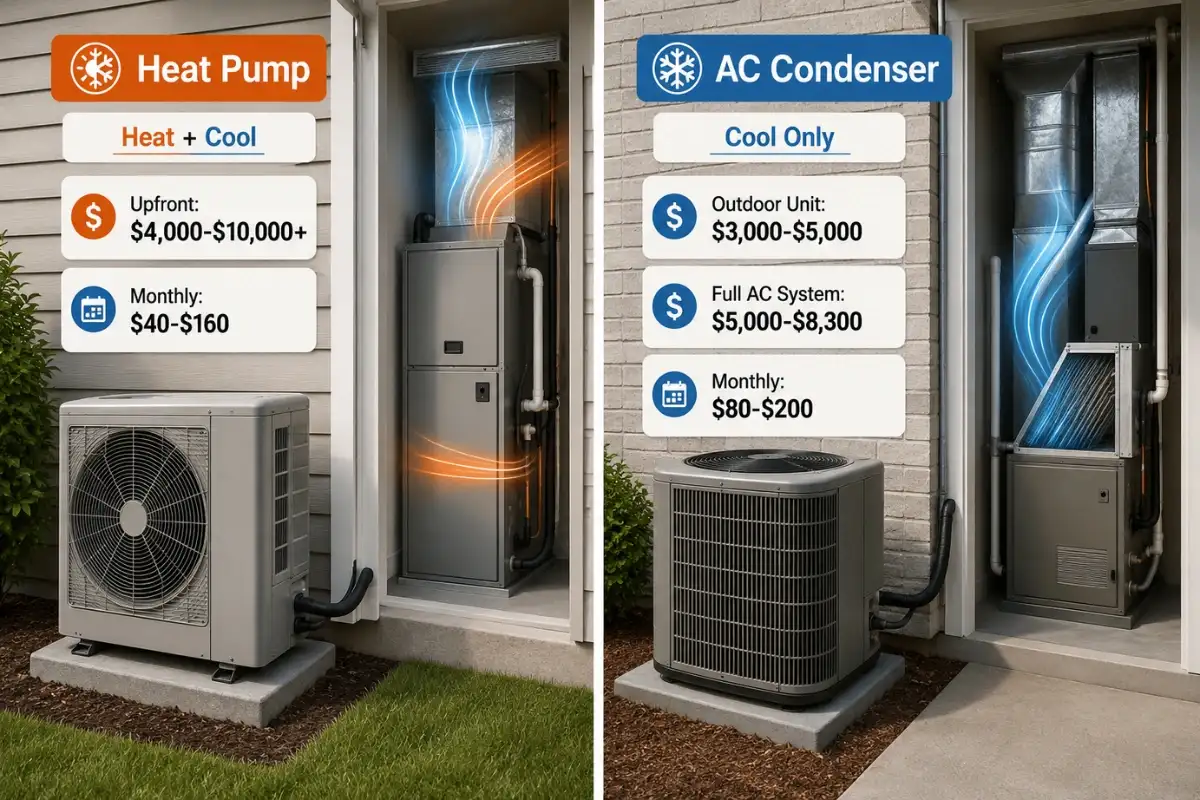
An outdoor AC condenser typically costs around $3,000 to $5,000 to replace ( vary on types of AC condenser). If you’re replacing the complete central AC system, including the condenser and indoor evaporator coil while keeping the existing furnace, the cost is usually around $5,000 to $8,300.
A complete ducted heat pump system generally costs $4,000 to $10,000 or more upfront. While the initial price can be higher, available rebates and tax incentives may reduce the difference.
Upfront and Long-Term Costs
If your existing furnace is still in good condition, replacing only the AC condenser can be the less expensive option. A heat pump costs more upfront because it handles both heating and cooling and requires equipment that can reverse the refrigerant cycle.
The bigger difference can show up over time.
Heat pumps can provide both heating and cooling with electricity, which may lower energy costs depending on your local electricity and fuel rates. Equipment efficiency also plays a major role in what you’ll actually pay to run the system.
Both systems generally last around 12 to 15 years. A heat pump runs for both heating and cooling. So, it may see more annual use than an AC condenser. Regular maintenance can help manage that additional wear and keep the system operating efficiently.
Heat pump vs AC monthly cost
A heat pump can cost less to run because it moves heat instead of creating it from scratch. On average, monthly operating costs are estimated at around $40 to $160 for a heat pump, compared with $80 to $200 for a traditional AC system. Actual costs can vary widely depending on the home and local energy prices.
A few factors make the biggest difference:
| Factor | Heat Pump vs AC Impact |
| Electricity and fuel rates | Heat pumps save more when electricity is affordable. If natural gas is cheaper than electricity, the cost advantage can shrink. |
| System efficiency | Higher SEER2 and HSPF2 ratings reduce energy use. Proper system sizing and installation also strongly affect performance. |
| Upfront cost | Heat pumps typically cost $3,800–$8,200+, while standard AC systems range from $2,500–$7,500, but AC still requires a separate heating system. |
| Climate | Heat pumps work best in moderate climates. In extreme cold or heat, backup systems may run more often, increasing operating costs. |
The best option isn’t necessarily the one with the lowest monthly estimate. Look at equipment efficiency, local utility rates, heating needs, and the cost of the complete system before making a decision.
Installation and Compatibility
Replacing an AC condenser with a heat pump isn’t always a simple outdoor-unit swap. The new heat pump needs to match the indoor coil or air handler, refrigerant lines, thermostat, and other system components.
Your contractor should also check the electrical panel and dedicated 240-volt circuit, ductwork, condensate drain, and equipment sizing.
An AHRI-matched system helps ensure the indoor and outdoor components are designed to work together.
If you’re keeping an existing furnace, a heat pump can sometimes be installed as part of a dual-fuel system. The heat pump handles heating and cooling under normal conditions, while the furnace takes over when needed.
Heat Pump Refrigerants and 2026 Changes
New residential HVAC equipment is moving away from R-410A toward lower-GWP refrigerants such as R-32 and R-454B. These are classified as A2L refrigerants, so newer equipment includes updated safety features and installation requirements.
If you’re buying a new heat pump or AC condenser, check which refrigerant the equipment uses. Also, make sure the contractor is equipped to install and service that system. It’s better to talk in detail before hiring them to install your AC and all.
Maintenance and Repairs
Both systems need routine maintenance, including filter changes, coil cleaning, airflow checks, and refrigerant inspections. The difference is that a heat pump has a few additional components because it operates in both heating and cooling modes.
A heat pump may require service on the reversing valve, defrost controls, and auxiliary heat system. Both types of outdoor units can develop problems with the compressor, capacitor, contactor, condenser fan motor, or refrigerant system.
Regular maintenance won’t prevent every repair. But it can help catch airflow problems, refrigerant leaks, and worn electrical components before they turn into larger issues.
Lifespan and Reliability
Heat pumps ( like Goodman) and AC condensers can provide many years of service when they’re properly sized, installed, and maintained. However, heat pumps generally run throughout more of the year because they provide both heating and cooling.
That additional runtime can increase wear on components, especially in climates with long heating and cooling seasons. Installation quality, maintenance, operating conditions, and access to replacement parts can all affect how long either system lasts.
When Is the Right Time to Choose a Heat Pump vs. AC Condenser?
The best time to choose between a heat pump and an AC condenser is when you’re replacing an aging HVAC system, especially if you’re already considering replacing both the heating and cooling equipment.
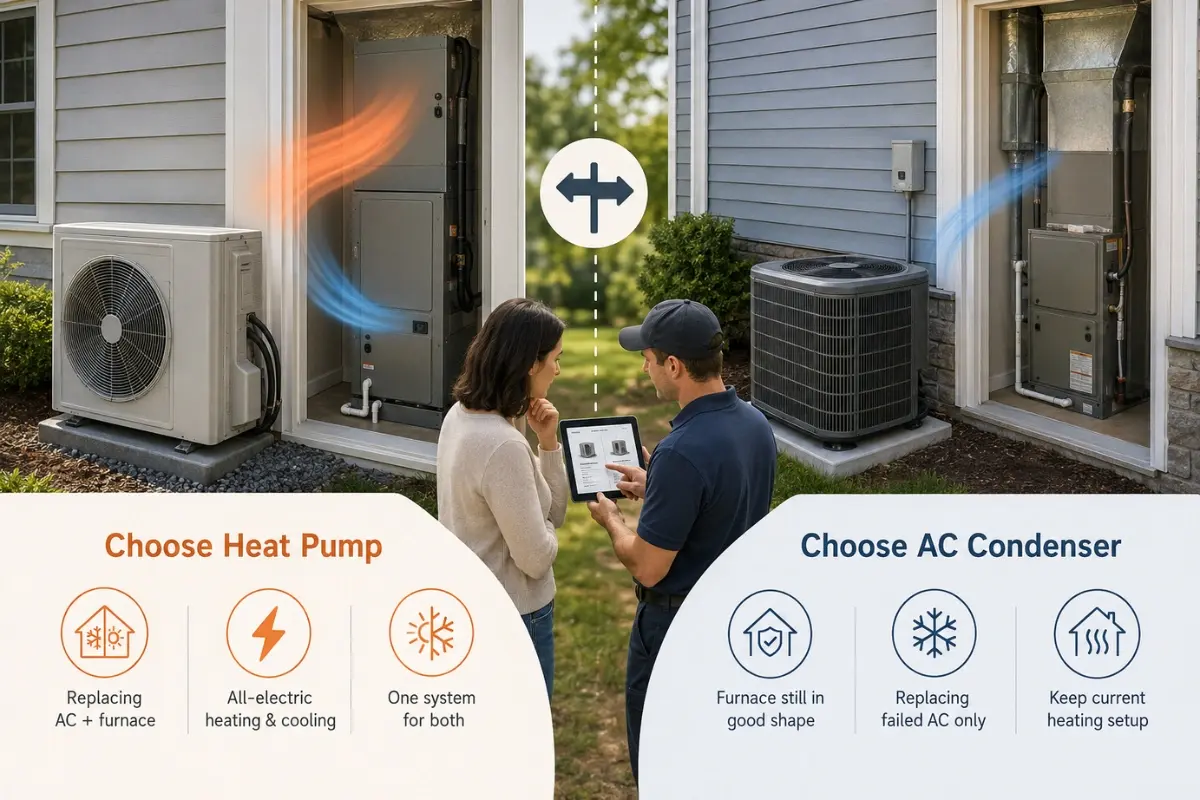
A heat pump makes more sense if you want one system to handle both heating and cooling. An AC condenser (like Goodman) is usually the simpler choice when your existing furnace is still in good condition, and you only need to replace the cooling equipment.
Consider a heat pump when:
- Your furnace and AC are both nearing replacement.
- You want an all-electric heating and cooling system.
- You want to avoid maintaining separate heating and cooling equipment.
An AC condenser may be the better choice when:
- Your existing furnace still has plenty of life left.
- Your main problem is an aging or failed AC condenser.
- You don’t want to change your current heating setup.
Final Thoughts
A heat pump is the better fit if you want one system for both heating and cooling, while an AC condenser makes more sense when your existing heating system is still working well. The right choice depends on your home’s current equipment, climate, energy costs, and long-term plans.
Before buying, compare the complete system cost, efficiency, compatibility, and expected operating costs, not just the price of the outdoor unit. And talk to an HVAC expert before taking any steps.
Frequently Asked Questions
Does a heat pump make cold air in heating mode?
No. In heating mode, a heat pump reverses its refrigerant cycle and moves available heat from outdoors into your home.
Why does my heat pump blow cold air during defrost mode?
During a defrost cycle, the system temporarily reverses operation to remove ice from the outdoor coil. You may notice cooler air indoors for a short time.
Does an AC condenser have a reversing valve?
No. A standard AC condenser is designed for cooling only and doesn’t need a reversing valve. Heat pumps use one to switch between heating and cooling.
Can a heat pump cool a home in extreme heat?
Yes. A properly sized heat pump can provide effective cooling in very hot weather. Its cooling performance depends on the model, outdoor temperature, system capacity, and installation.
Why does my heat pump have ice on the outdoor unit?
A light layer of frost can be normal during heating. The system should periodically enter defrost mode to remove it. Heavy or persistent ice can indicate an airflow, refrigerant, or equipment problem.
Can a heat pump use the same ductwork as my AC?
Usually, yes. A ducted heat pump can often use existing ductwork, provided the ducts are properly sized, sealed, and in good condition.
Does a heat pump need a drain line?
Yes, ducted heat pumps can produce condensation during cooling and may need a condensate drain. They can also produce water outdoors during heating and defrost cycles.
Why does a heat pump switch between heating and cooling?
The thermostat determines which mode is needed. The system then uses the reversing valve to change the direction of refrigerant flow and switch between heating and cooling.