Most homeowners overlook what they can’t see. When it comes to threats and dangers, the same goes for bacteria, molds, smoke, asbestos, VOCs, etc. Homeowners are more concerned about protecting their houses from natural disasters and theft.
However, these contaminants disrupt your cleanliness and comfort. If you don’t take the necessary measures to remove HVAC contamination, you and your family members will be more prone to illness. I’m going to tell you exactly how you can keep your home free from HVAC contamination so your family can stay healthy and your room stays livable.

| TL;DR Maintain your home’s health and efficiency by using professional IAQ testing, regular filter upgrades, and proper ventilation to eliminate hidden HVAC contaminants. |
How Do All These Contaminants Get in the HVAC System?
Generally, due to negligence and lack of maintenance, these contaminants get inside the HVAC system. For example, if you don’t replace the HVAC air filter regularly, air-borne contaminants will start to accumulate inside the HVAC system. Again, if you accidentally drop hazardous chemicals inside your building, it can create contamination.
Apart from these, natural disasters, pests, and poor HVAC maintenance can create contamination inside the HVAC system.
5 Ways to Remove HVAC Contamination

1. Regular HVAC Maintenance
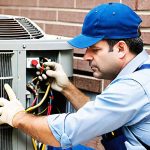
It’s the easiest way to remove HVAC contamination, yet always neglected. When you do regular HVAC maintenance, an HVAC professional will change the HVAC air filter, clean the air ducts and registers, detect leaks, and so on.
With regular HVAC maintenance checkups, you’ll be able to run your HVAC system smoothly and protect your house from HVAC contamination.
2. Focus on Your HVAC Air Filtration
As we all know, HVAC air filters block various particles such as pollens, dust, debris, microorganisms, and so on from entering our space. If you notice low air quality in your house even after replacing the air filter regularly, you should upgrade your HVAC air filter.
Filter changing has become a major point of discussion in the post-COVID era. Generally, you should check your filter every 30 days. If you have pets, live in a high-pollen area, or notice a sudden increase in dust around the house, you may need to change it more frequently.
When you install a high-efficiency filter (like HEPA or MERV filter), your HVAC unit will be able to block much finer particles. MERV and HEPA ratings help you specifically maintain COVID-19 protocols.
However, while installing a high-efficiency air filter, make sure that your HVAC unit is compatible with it. If you have a relatively older HVAC unit, there is a high chance that you won’t be able to install a high-rated HVAC air filter. That’s why it’s better to consult an HVAC professional before switching to a high-efficiency HVAC air filter.
3. Ensure Proper Ventilation
When you have poor ventilation in your house, there won’t be sufficient airflow. As a result, contaminants will accumulate inside your space. If your ventilation is inadequate, you may already notice some signs:
- Condensation on windows
- Lingering cooking smells or cleaning chemicals
- “Stuffy” feeling from inadequate airflow
- Damp air in corners, bathrooms, and behind furniture
However, make sure you get “true ventilation”. Your whole home, including your air handler and ductwork, works together to push the air around. If one part is not functioning properly, the whole air can become stale.
Tip: Don’t put any furniture or objects in front of the register either, to keep the passageway open externally. Use UV light for HVAC systems to kill bacteria and mold spores before they ever reach your living space.
4. Do IAQ Testing
One of the best ways to find out whether you have HVAC contamination or not is by doing IAQ testing. Apart from this, you can install different sensors or devices in the house. With these sensors, you’ll be notified when there is an increase in the level of carbon monoxide or VOCs in your house.
If you are constantly getting notifications from the sensors, you should call nearby HVAC experts and resolve the problem as soon as possible. Because if you stay in a place where there are high-level VOCs or carbon monoxide, you may need medical attention.
Once you identify air quality issues, you can browse specialized purifiers and accessories to help maintain safe levels of VOCs and particles.
5. Do Air Duct Cleaning or Replacement when Needed
Air ducts carry the produced hot and cold air from the HVAC unit and keep the house comfortable. But due to a lack of cleaning or maintenance, air ducts can become clogged with various contaminants such as bacteria, viruses, molds, pests, etc. As a result, when air passes through the air duct, the produced air gets contaminated and lowers the indoor air quality. That’s why you should clean the air ducts regularly.
Air duct cleaning service includes cleaning the whole unit and the ducts of the HVAC unit. Get it every 3 to 5 years. However, while cleaning the air ducts, you’ll have to ensure that the HVAC cleaning company isn’t using any harmful unauthorized chemicals.
The Gulf Coast has high humidity. Moisture prevention is critical to deal with the breeding grounds for mold. Professional air duct cleaning in Houston helps you prevent moisture. Similarly, homeowners schedule air duct cleaning in Frisco for a deep-clean from the seasonal allergens. These allergens settle in the ductwork otherwise and trigger symptoms indoors.
Common Questions About HVAC Contamination
Who can check the air quality in my home?
Look for a licensed HVAC professional who offers IAQ testing. They use specialized sensors to detect VOCs and carbon monoxide. Standard home kits often miss them.
How do I know if my ventilation is inadequate?
Look for the signs: condensation on windows, lingering smells, stuffy feeling, etc. Generally, the air can’t flow in and out with inadequate ventilation. You’ll notice all the signs of stagnant air in your room.
Does a dirty HVAC system increase my bill?
Yes. When contaminants clog your filters and coils, your system has to run longer and work harder, even to reach the same temperature. It can significantly increase your energy costs.
Can I clean my own air ducts?
It depends on your knowledge and expertise. You can easily vacuum your registers and vents. However, duct cleaning needs high-powered vacuum systems that most homeowners don’t have.
Is it better to repair or replace a contaminated HVAC unit?
Replacement isn’t always necessary. If it’s an old unit, you should change it. However, every case is different. Get a professional inspection to find out the best solution for your exact case.
Conclusion
Your HVAC system is the lungs of your home. When it’s clean, your family breathes easy. When it’s contaminated, it can affect your health, your comfort, and even your bank account.
Change your filter regularly, make sure your ventilation is working, and schedule regular maintenance to stop contaminants before they take over.
Instead of reacting to contamination, take small proactive approaches. You’ll enjoy a cleanr, more efficient home for years to come.