I think we all agree that being comfortable is the best, right? That’s why our HVAC system, which gives us heat and cooled air, is so important for our homes and schools. Keeping this machine running well helps us in a few big ways.
First, we save money on the electric bill. Second, it keeps the air inside clean and healthy for us. And finally, it stops the heater or AC from breaking down unexpectedly!
Because the weather where we live in the U.S. can go from super hot and humid to very cold. I know that knowing how to check for small problems is the key to all issues. However, If we can spot and fix an issue quicker, we actually help the whole system run smoothly, and save energy.
Key Takeaways
|
Quick 30-Second Triaging Checklist
Before diving into more in-depth troubleshooting, you can perform a rapid triage of your HVAC system:
- Check Thermostat Settings: Ensure the system is in the correct mode (cooling/heating), and the temperature is appropriate.
- Check Circuit Breaker: Make sure the HVAC breaker is not tripped.
- Inspect Air Filter: Replace dirty or clogged filters that restrict airflow.
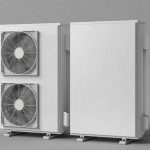
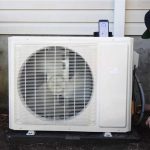
- Check Outdoor Unit: Remove debris, leaves, or obstructions that may block airflow.
- Reset System: Sometimes a simple reset can solve minor glitches.
Tip: This checklist addresses 60–70% of minor HVAC issues and should be your first line of defense.
Detailed Troubleshooting Sections
1. Airflow Problems
Insufficient airflow can make your HVAC system work harder, increasing energy consumption and reducing comfort. Common causes include:
- Dirty Air Filters: Replace every 1–3 months.
- Blocked Vents or Ducts: Check for furniture or debris obstructing airflow.
- Damaged or Leaky Ductwork: Inspect for cracks or gaps, and seal with mastic or metal tape.
- Fan Malfunctions: Check the blower motor for overheating or noises. (Note: Belts are typically found only on commercial units.)
2. Temperature Imbalance
Some rooms may feel warmer or cooler than others due to airflow imbalance or system inefficiency.
- Check Dampers: Adjust duct dampers to balance air distribution.
- Inspect Thermostat Placement: Avoid direct sunlight or near heat sources.
- Insulate Ducts: Poor insulation can cause temperature loss along the supply line.
When you have a balanced airflow (from a properly functioning duct), you get even temperature distribution, improved comford, and less energy waste.
3. High Humidity
Excess indoor humidity can lead to mold growth, dust mites, and general discomfort.
- Check Condensate Drain: Clogs can prevent proper dehumidification.
- Inspect Coil: Frozen or dirty evaporator coils reduce moisture removal.
- Use Humidity Sensors: Smart thermostats or standalone sensors can help monitor levels.
4. Bad Smell Diagnosis (IAQ Focus)
Unpleasant odors can indicate IAQ issues.
- Mold or Mildew: Check evaporator coil, drip pan, and ductwork.
- Dirty Filters: Replace old filters regularly.
- Animal Intrusion: Check ducts for pests.
5. Strange Noises (Mechanical Diagnosis)
Rattling, squealing, or banging sounds often signal mechanical problems.
- Fan Blades: Inspect for damage or loosened screws.
- Blower Motor: Lubricate as needed.
- Compressor: Humming or clicking may indicate compressor issues.
6. High Electricity Bill Diagnosis
An unusually high energy bill often indicates HVAC inefficiency.
- Air Leaks: Seal gaps around windows, doors, and ductwork.
- Dirty Components: Dirty coils, filters, and vents reduce efficiency.
- Aging Equipment: Older systems may consume more electricity; consider upgrades.
IAQ-Specific Troubleshooting
Indoor air quality is increasingly important in modern homes and offices.
- Mold Indicators: Musty odors, condensation, visible growth.
- VOC Smells: Strong chemical odors from paint, cleaning products, or new furniture.
- PM2.5 Buildup: Poor circulation can increase particulate matter.
- Dirty Ducts: Can trigger asthma or allergies; schedule duct cleaning if needed.
Proper HVAC maintenance is sufficient to remove mold, improve IAQ, and enhance occupant’s comfort.
Seasonal Troubleshooting
Peak Humidity Season
- Coil Freezing: Inspect condensate drainage and refrigerant levels.
- High Humidity: Ensure dehumidification is effective.
- Breaker Trips: Check for water intrusion in outdoor units.
Summer Season
- Overload: High outdoor temperatures may overwork the system; raise the temperature a bit (e.g., from 70°F to 75°F) and shade the unit.
- Refrigerant Leaks: Low refrigerant causes inefficient cooling and higher energy bills; usually a professional help is recommended to check.
When to Call a Technician
Some issues require professional service:
- IAQ Risk Warnings: Mold, high VOCs, or water damage.
- Red Flags: Strange noises, persistent odors, system not turning on.
Cost vs Replacement Formula
Use this formula to calculate when you should go for the replacement and not the repair.
The formula is:
Age of Unit * Repair cost > $5,000
Multiply age of the unit (in years) with the repair cost. If the product of the multiplication exceeds $5,000, you should replace it. If it is less, you repair it.
Example: A 10-year-old unit with a $600 repair. $10 \times 600 = 6,000$. (Result > 5,000 → Replace).
HVAC Equipment Updates for 2026
The US HVAC market has new efficiency and eco-friendly standards:
- Higher SEER Ratings: Seasonal Energy Efficiency Ratio measures cooling efficiency. (the number depends on the state and city you live in)
- Eco-Friendly Refrigerants: Lower global warming potential (GWP).
- Smart Thermostats: Wi-Fi enabled, adaptive temperature control.
- Variable-Speed Compressors: Reduce energy consumption and improve comfort.
- Updated Energy Codes: Ensures homes and buildings meet modern efficiency standards.
HVAC Troubleshooting Chart (Quick Diagnostic)
| Issue | Possible Cause | DIY Fix | Condition to Call Technician |
| No Cooling | Thermostat | Adjust settings | Persistent failure |
| Poor Airflow | Clogged filter | Replace filter | Ductwork damage |
| Uneven Temperature | Closed dampers | Open/adjust dampers | Poor insulation |
| Strange Noises | Loose fan blades | Tighten/replace | Motor or compressor issues |
| Bad Odors | Mold/dirty filter | Clean ducts/replace filter | Persistent IAQ issues |
| High Bills | Leaks, dirty components | Seal gaps, clean | Aging equipment |
A Quick Diagnostic Reference
| System Problem | Discharge Pressure | Suction Pressure | Superheat | Subcooling | Amps |
| Overcharge | ↑ | ↑ | ↓ | ↑ | ↑ |
| Undercharge | ↓ | ↓ | ↑ | ↓ | ↓ |
| Liquid Restriction (Drier) | ↓ | ↓ | ↑ | ↓ | ↓ |
| Low Evaporator Airflow | ↓ | ↓ | ↓ | ↑ | ↓ |
| Dirty Condenser | ↑ | ↑ | ↓ | ↑ | ↑ |
| Low Outside Ambient Temp | ↓ | ↓ | ↓ | ↓ | ↓ |
| Inefficient Compressor | ↓ | ↑ | ↑ | ↓ | ↑ |
| TXV Bulb Loose-Mounted | ↑ | ↑ | ↓ | ↓ | ↑ |
| TXV Bulb Lost Charge | ↓ | ↓ | ↑ | ↑ | ↓ |
| Poorly Insulated Bulb | ↑ | ↑ | ↓ | ↓ | ↑ |
Advanced DIY: Basic Electrical Checks
Safety First: Always turn off the power at the main breaker before opening the outdoor unit or air handler panel. You must use a multimeter to perform these tests.
- Contactor Check: If the unit is not getting power, check the contactor (a heavy-duty relay switch). With the main power off, visually inspect the contactor for excessive pitting or burn marks.
- Capacitor Check: If the fan or compressor hums but doesn’t start, the capacitor is likely failing. Test the capacitance using a multimeter’s capacitance setting (pF or µF).
- Fuse Check: Some low-voltage (24V) control boards have small fuses. Check these for continuity.
The Expert Troubleshooting Mindset
Want to troubleshoot HVAC problems quickly? Professionals use a clever technique called the Half-Splitting Method.
Instead of checking every part, you diagnose the system by finding the middle point (like the main control board).
- If that midpoint test is good, the problem must be further along in the system.
- If the midpoint is bad, the issue is earlier in the sequence.
To truly become an HVAC diagnostics expert, you must master your system’s blueprint: the wiring diagram. Knowing how to read that technical map is the fastest way to find and fix any fault.
FAQs
-
What is the $5,000 rule for HVAC?
If repair costs exceed $5,000, replacing the unit is usually more cost-effective.
-
How often should I replace HVAC air filters?
Every 1–3 months, depending on use and filter type.
-
Why is my HVAC system making strange noises?
Loose fan blades, blower motor issues, or compressor malfunctions are common causes.
-
How can I improve indoor air quality with HVAC?
Regular filter changes, duct cleaning, and monitoring humidity reduce mold, VOCs, and PM2.5.
-
When should I call a professional HVAC technician?
Persistent odors, system not turning on, strange noises, or suspected refrigerant leaks require professional service.
-
What is the ideal temperature difference in HVAC systems?
It is safer to say “A 16°F–22°F temperature difference…” However, 20°F is an acceptable “perfect scenario” number for a simplified guide. A 20°F ΔT between supply and return air ensures proper cooling and system efficiency. Source: ACCA
-
Can seasonal changes affect HVAC performance?
Yes, monsoon humidity or summer overloads can reduce efficiency and cause system issues.
-
Are smart thermostats worth installing?
Yes, they improve comfort, monitor energy usage, and can reduce bills.
-
What parts commonly fail in an AC unit?
Compressors, capacitors, contactors, and fan motors are the most frequent failures.
-
How often should I schedule professional HVAC maintenance?
Annually, before peak summer or winter seasons, for optimal performance and longevity.